

West Slopes Central
Backcountry Avalanche Forecast
Author: Irene Henninger
Issued: Tuesday, March 3, 2026 at 6:06 PM PST
Expires: Wednesday, March 4, 2026 at 6:00 PM PST
The Bottom Line
 The Bottom Line
A new load of snow is increasing avalanche danger in the zone. It's likely you can trigger avalanches in the new snow layer, and there's a chance they could step down to produce even larger avalanches in deeper underlying weak layers. Stick to lower-angle, sheltered terrain on Wednesday, and if you see any large natural avalanches, steer clear of areas beneath large open slopes as well.
Avalanche Danger
Wednesday, March 4, 2026
7500-5500ft3 - Considerable

5500-4500ft3 - Considerable
4500-2500ft2 - Moderate

Thursday, March 5, 2026
7500-5500ft3 - Considerable
5500-4500ft3 - Considerable
4500-2500ft2 - Moderate
Avalanche Danger ScaleLearn moreGeneral InfoGeneral Information1 - LowLow2 - ModModerate3 - ConsConsiderable4 - HighHigh5 - ExtrExtreme
 1 - Low | 2 - Moderate | 3 - Considerable |  4 - High |  5 - Extreme | |
|---|---|---|---|---|---|
| Travel Advice | Generally safe avalanche conditions. Watch for unstable snow on isolated terrain features. | Heightened avalanche conditions on specific terrain features. Evaluate snow and terrain carefully; identify features of concern. | Dangerous avalanche conditions. Careful snowpack evaluation, cautious route-finding and conservative decision-making essential. | Very dangerous avalanche conditions. Travel in avalanche terrain not recommended. | Extraordinarily dangerous avalanche conditions. Avoid all avalanche terrain. |
| Likelihood of Avalanches | Natural and human-triggered avalanches unlikely. | Natural avalanches unlikely; human-triggered avalanches possible. | Natural avalanches possible; human-triggered avalanches likely. | Natural avalanches likely; human-triggered avalanches very likely. | Natural and human-triggered avalanches certain. |
| Avalanche Size and Distribution | Small avalanches in isolated areas or extreme terrain. | Small avalanches in specific areas; or large avalanches in isolated areas. | Small avalanches in many areas; or large avalanches in specific areas; or very large avalanches in isolated areas. | Large avalanches in many areas; or very large avalanches in specific areas. | Very large avalanches in many areas. |
Avalanche Problems (3)
Problem #1: Storm Slab
Problem Type
Storm Slab
Aspect/Elevation
Likelihood
Size
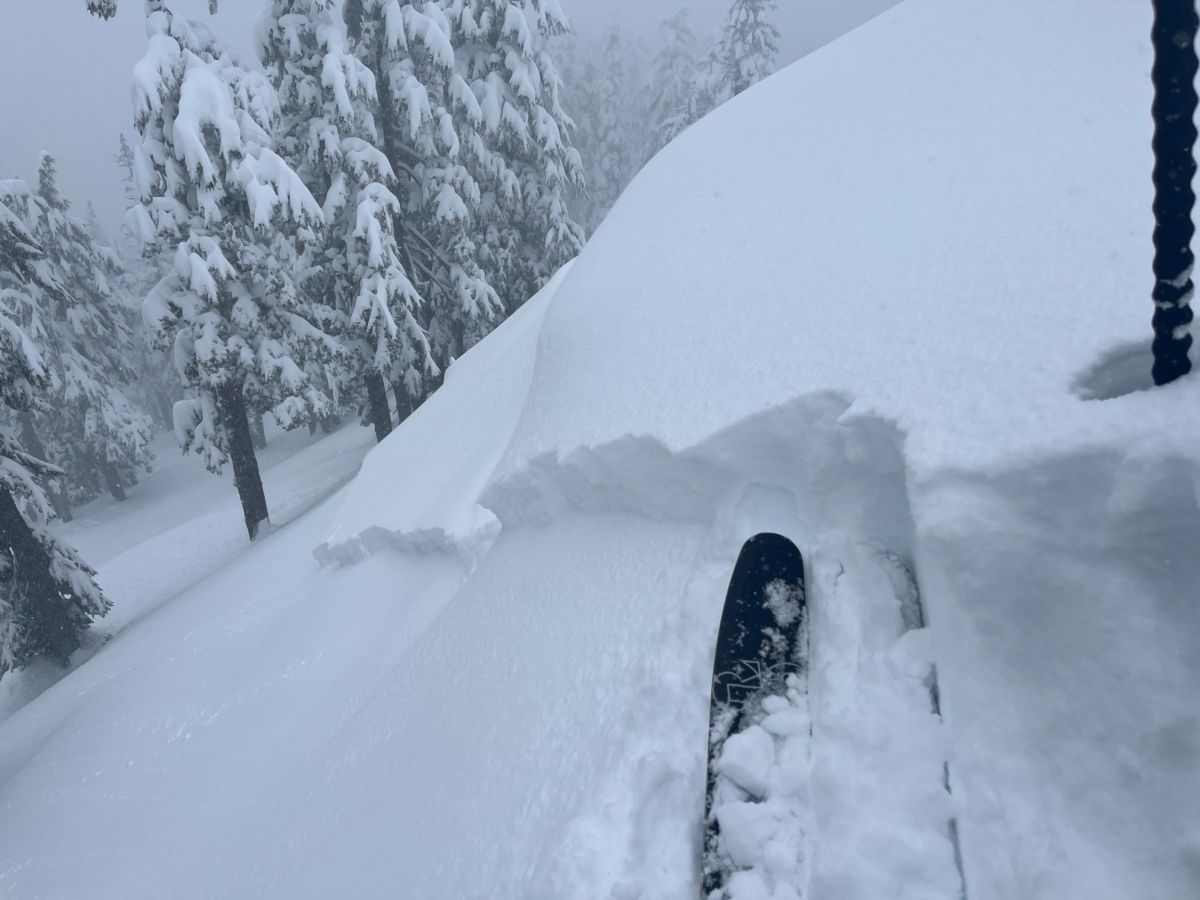
Example photo: Steep slopes could produce small and large avalanches in the new snow layer, like this one, on Wednesday.
Photo: Irene Henninger
It's likely that you could trigger a large slab avalanche in the new snow that falls Tuesday night and Wednesday. We suspect the most reactive layers will be in wind-loaded areas, but it may be hard to detect where wind-loaded slopes are- and up high, there's just a lot of incoming snow. This is a good day to steer around all steep terrain and stick to lower-angle, sheltered areas.
By the end of the day, upper elevations in some areas of the zone could have around 18 inches of new snow. Expect greater danger in areas with more snow. Near the bottom of the mid elevation band, and possibly the top of the lower elevation band, there may be just enough snow for you to trigger a small avalanche.
Even if you trigger smaller avalanches in the new layer, they could step down to a persistent layer on large, steep slopes and result in a very large, unsurvivable avalanche.
Problem #2: Persistent Slab
Problem Type
Persistent Slab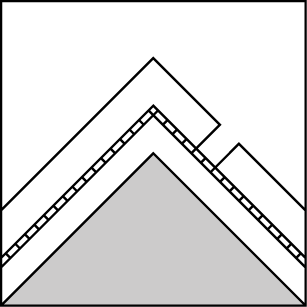
Aspect/Elevation
Likelihood
Size
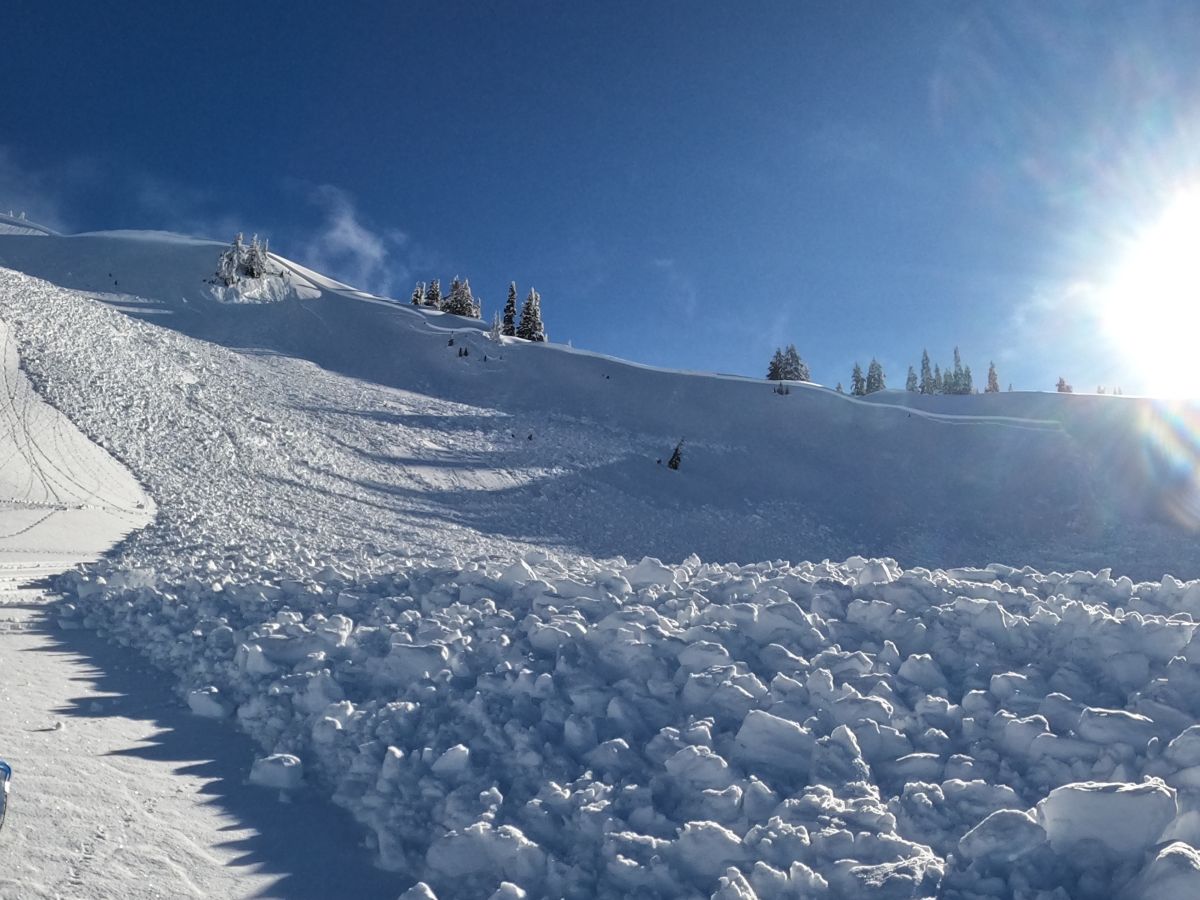
(2/28/2026)
Large, scary persistent slab avalanches that recently occurred in the neighboring West North zone.
This is a day to travel cautiously and stick to conservative terrain. Although we have limited information from this zone, nearby zones have had several large and very large recent avalanches failing on persistent layers, and we suspect similar activity in this zone. New snow may further stress buried weak layers. Natural avalanches are possible. Consider that a smaller storm slab could step down into a much larger and more dangerous persistent slab avalanche.
Classic warning signs like collapsing or cracking remain important, though deeper instabilities may give few clues. Favor lower-angle, less wind-loaded terrain on Wednesday.
Problem #3: Wet Loose
Problem Type
Wet Loose
Aspect/Elevation
Likelihood
Size
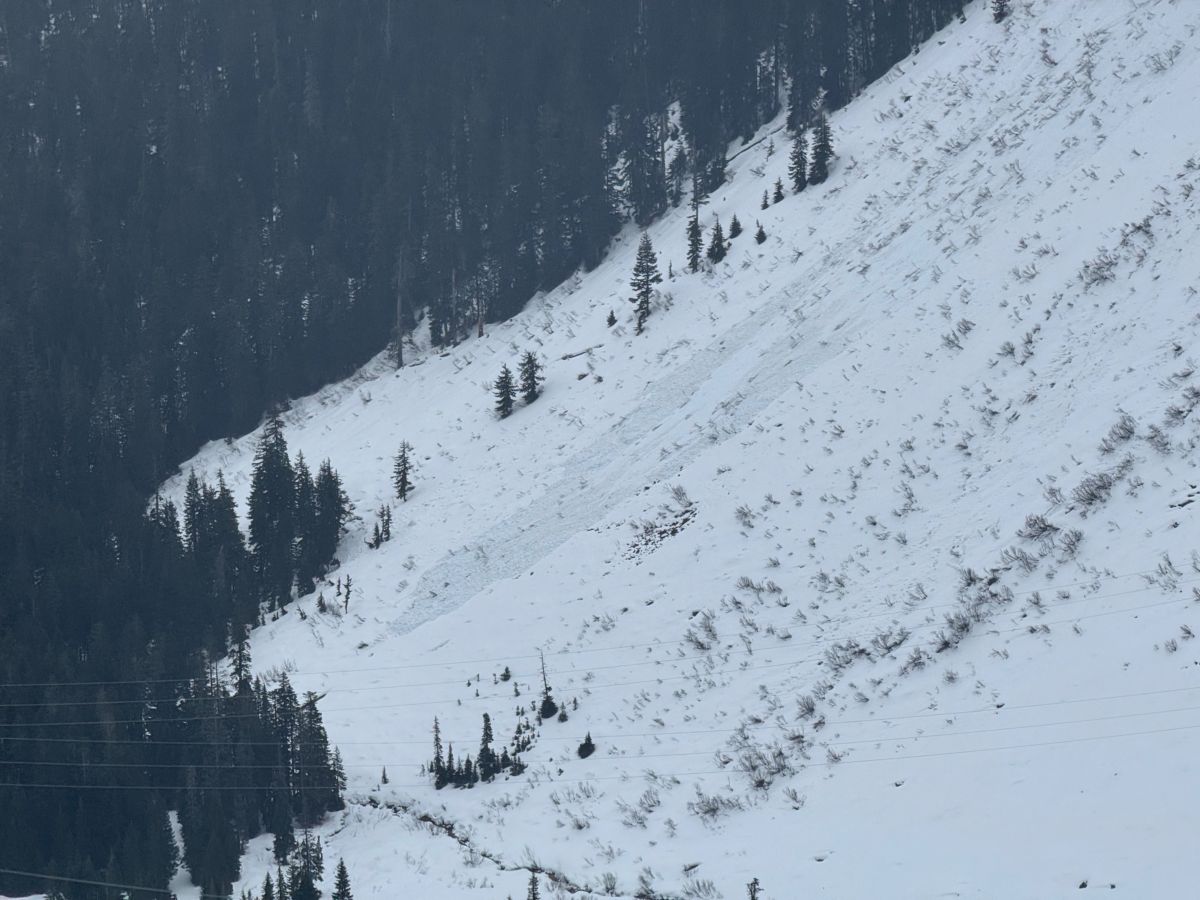
(3/3/2026)
A natural wet loose avalanche that happened Tuesday in the Stevens Pass backcountry. N, 4500ft. More like this could happen on Wednesday.
Photo: Stevens Pass Ski Patrol
Lower elevations received mostly rain during this storm- over an inch of it. Steep slopes that have a thick, wet layer of snow that you're sinking more than a few inches deep in could produce rollerballs or wet avalanches. There could also be natural avalanches in this layer of soft, wet snow. If you see natural avalanches, or you're sinking past your ankles in wet snow, stick to lower angle terrain and steer clear of the bottom of steep paths that an avalanche might run down to.
Forecast Discussion
Forecasts call for about half an inch of water Tuesday night, and then similar amounts during the day. There could be more than a foot of snow at upper elevations. Observations from neighboring zones show a weak and inconsistent snowpack. Buried surface hoar and crust/facet layers from early to mid-February have been found across the region, though test results vary. Some areas have produced recent avalanches on these layers while others remain quiet, so reviewing forecasts from nearby zones can help with trip planning.
A lack of recent avalanche activity doesn’t mean the problem is gone. Ongoing avalanches in parts of the region—and recent warming—suggest instability can still develop where these weak layers exist. The overall picture is variable and unpredictable: slopes that seem stable may still harbor deeper weaknesses. Careful terrain selection remains the most reliable way to manage risk, as large or very large avalanches are likely with this added layer of new snow.
This information is provided by the U.S.D.A. Forest Service and describes general backcountry avalanche hazard and conditions.
It does not apply to ski areas and highways where avalanche mitigation is conducted.